Meeple Incremental Automation & Idle Setup
Turn manual dice clicking into a self-driving board—auto-clickers, minigame automation, and full-release speed upgrades.
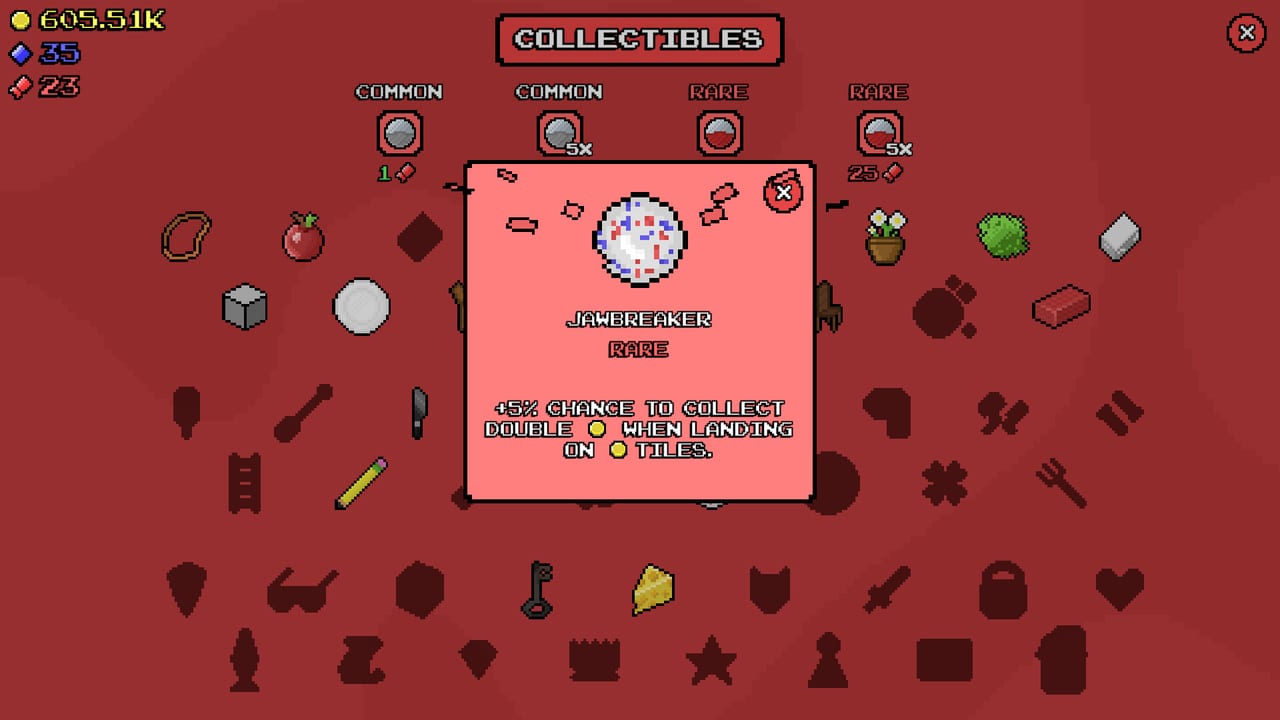
Automation is the mid-game power spike in Meeple Incremental. Once dice roll themselves and minigames pay out without constant attention, your job shifts from clicking to routing currencies—money into meeples and speed upgrades, skill points into trees, capsule tickets into collectibles.
This guide assumes you finished the basics in Getting Started. If you are still on one meeple with no income upgrades, buy those first; automation multiplies a healthy engine, it does not replace one.
What “automation” means here
- Auto-clickers — repeatedly roll dice so meeples keep circulating.
- Minigame automation — unlocked games that can run and grant rewards with less (or no) babysitting.
- Shop speed upgrades (full release) — make automated minigames resolve faster, raising skill point and ticket rates.
- Soft automation via skills/collectibles — bonuses that raise passive yield so each automated lap is worth more.
Meeple Incremental remains single-player; there is no multiplayer botting scene to chase. Keep everything inside Simply Artizan’s systems.
Priority one: auto-clickers
Treat the first auto-clicker as a major milestone—often above a mediocre minigame unlock. Reasons:
- Multiple meeples only shine if they actually move while you read the skill tree.
- Ticket and skill income scales with time on the board.
- Manual play hides how strong yellow-tile money spikes become later.
When several shop rows compete, ask: “Does this purchase increase rolls per minute or money per roll?” If neither, it can wait. Cross-check meeple buy order with the Meeples Tier List so you are not auto-rolling a starved economy.
Stacking more clickers
Additional auto-clickers compound. After the first, evaluate whether another clicker beats the next meeple on time-to-payoff. A rough heuristic used by community LPs: keep rolling capacity ahead of meeple count, then catch meeples up so every roll has somewhere useful to land.
Priority two: make each roll worth more
Idle rolls on a weak board waste potential. Before overbuying clickers:
- Upgrade income tiles and relevant color bonuses.
- Spend skill points into nodes that amplify board payouts (Skill Tree).
- Notice when yellow tiles start printing serious cash—pan the camera to watch traffic (Controls).
Automation without multipliers is just faster waiting. Multipliers without automation demand endless clicking. You want both.
Priority three: minigame automation
Unlock games, play them enough to understand payouts, then automate the strong ones. Community consensus frequently places Stopwatch among the best passive options and Tic-Tac-Toe among the weaker. Sage and Ball Drop sit in the conversation for active or semi-active value depending on upgrades.
Deep strategy: Minigames Guide. Rankings: Minigames Tier List.
Full-release multipliers for idle minigames
The September 14, 2026 full game adds:
- Per-minigame skill trees funded with skill points
- Speed upgrades in the shop bought with money
These are easy to undervalue. A “B-tier” game with speed upgrades can outproduce an unaugmented favorite. Budget skill points and cash accordingly after reading Full Release.
Idle session setup (practical)
Before stepping away:
- Confirm auto-clickers are purchased and active.
- Ensure high-priority minigames are set to automate.
- Spend enough skill points that you are not sitting on a huge unused bank (idle gains scale with your upgrades).
- Leave capsule tickets alone unless a clearly high-tier collectible is affordable (Collectibles Tier List).
- Zoom out so you can glance at the board when you return and spot stuck UI.
Steam Cloud helps if you hop machines; still finish shop purchases before alt-tabbing for a long break.
Automation vs prestige planning
Automation is what makes “own every meeple” realistic. Prestige unlocks after that purchase goal and offers new upgrades plus extra meeples, but it is optional for 100% achievements. Do not prestige just because idle feels solved—finish collectibles and achievements you care about first if you want a shorter completion. Guide: Prestige.
Economy loop while idle
money → meeples + clickers + speed upgrades
skill points → main tree + minigame trees
tickets → collectibles
collectibles/skills → more money/skills/tickets per automated action
Break any arrow and idle gains flatten. The Progression Checklist keeps the loop honest.
Mistakes that kill idle momentum
- Buying a late meeple so expensive that clicker upgrades stall for ages
- Automating every minigame equally instead of feeding Stopwatch-class performers
- Ignoring shop speed upgrades after full release
- Hoarding skill points “for later” while idle runs produce less than they should
- Forgetting that tickets and achievements—not cheat codes—are the reward layer (Codes)
Related reading
- Sibling guides: Skill Tree, Minigames, Prestige, Getting Started
- Roster: All Meeples
- Patch context: Patch Notes
- Community: Links and Discord
Automate the boring clicks, then spend your attention on choices that change the board’s trajectory. That is the cozy incremental fantasy Meeple Incremental is built around.
Frequently Asked Questions
Quick answers to the most common questions.
When should I buy my first auto-clicker?
As soon as income upgrades make it affordable—usually before deep minigame investment. Pair with Getting Started.
Do minigames automate automatically?
You unlock play first, then automation options as systems open. Prioritize strong games per Minigames.
What are shop speed upgrades?
Full-release money sinks that accelerate minigames, boosting ticket and skill gains. See Full Release.
Can I AFK before owning every meeple?
Yes—automation helps you reach that goal. Prestige still waits until every meeple is owned (Prestige).
Is automation required for achievements?
Not formally, but idle tools make the 30 Steam achievements far more comfortable. Prestige remains optional for 100%.